
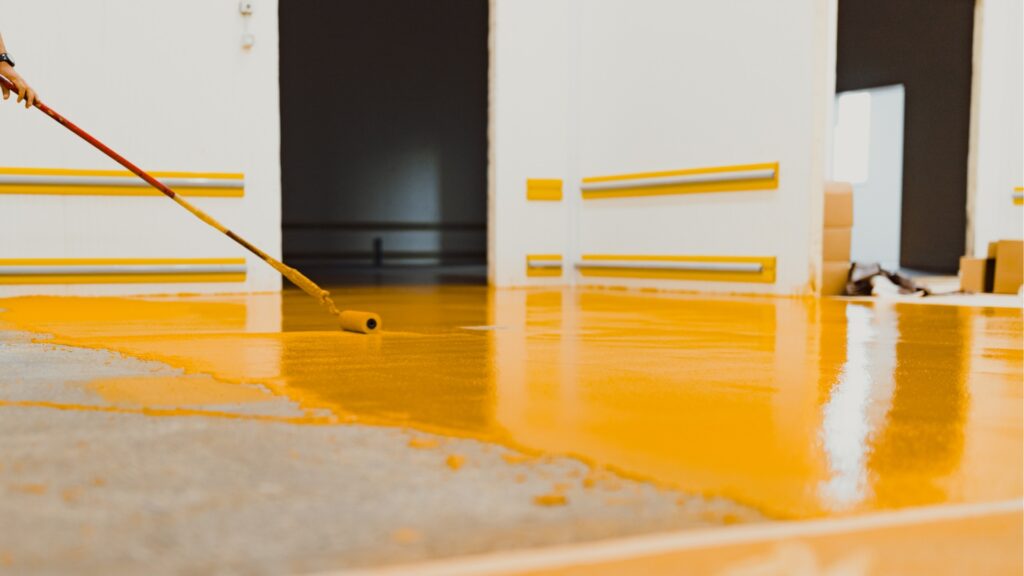
Concrete floors are strong, practical, and common in garages, basements, workshops, warehouses, and commercial spaces. However, bare concrete can look unfinished and may absorb stains, moisture, oil, and dirt over time.
Two popular ways to improve concrete are floor painting and epoxy coatings. Both options can make a floor look better, protect the surface, and make cleaning easier. However, they are not the same. The right choice depends on how the space is used, your budget, the condition of the floor, and the level of durability you need.
Before you start painting floors, it helps to understand the benefits and limits of each option.
What Is Concrete Floor Painting?
Concrete floor painting uses a product designed to bond to concrete surfaces. It is often used in basements, utility rooms, storage areas, patios, and other spaces with light to moderate foot traffic.
Floor paint is applied in a similar way to other painting services. The concrete must be cleaned, repaired, and prepared before the first coat of paint is added.
Depending on the product, concrete paint may be water-based or oil based. Water-based products are usually easier to apply and have less odour. Oil-based options may offer greater durability, but they can take longer to dry and may have stronger fumes.
Concrete paint is available in many colours and finishes. This makes it a flexible option for homeowners who want to improve a floor without making a major investment.
What Are Epoxy Coatings?
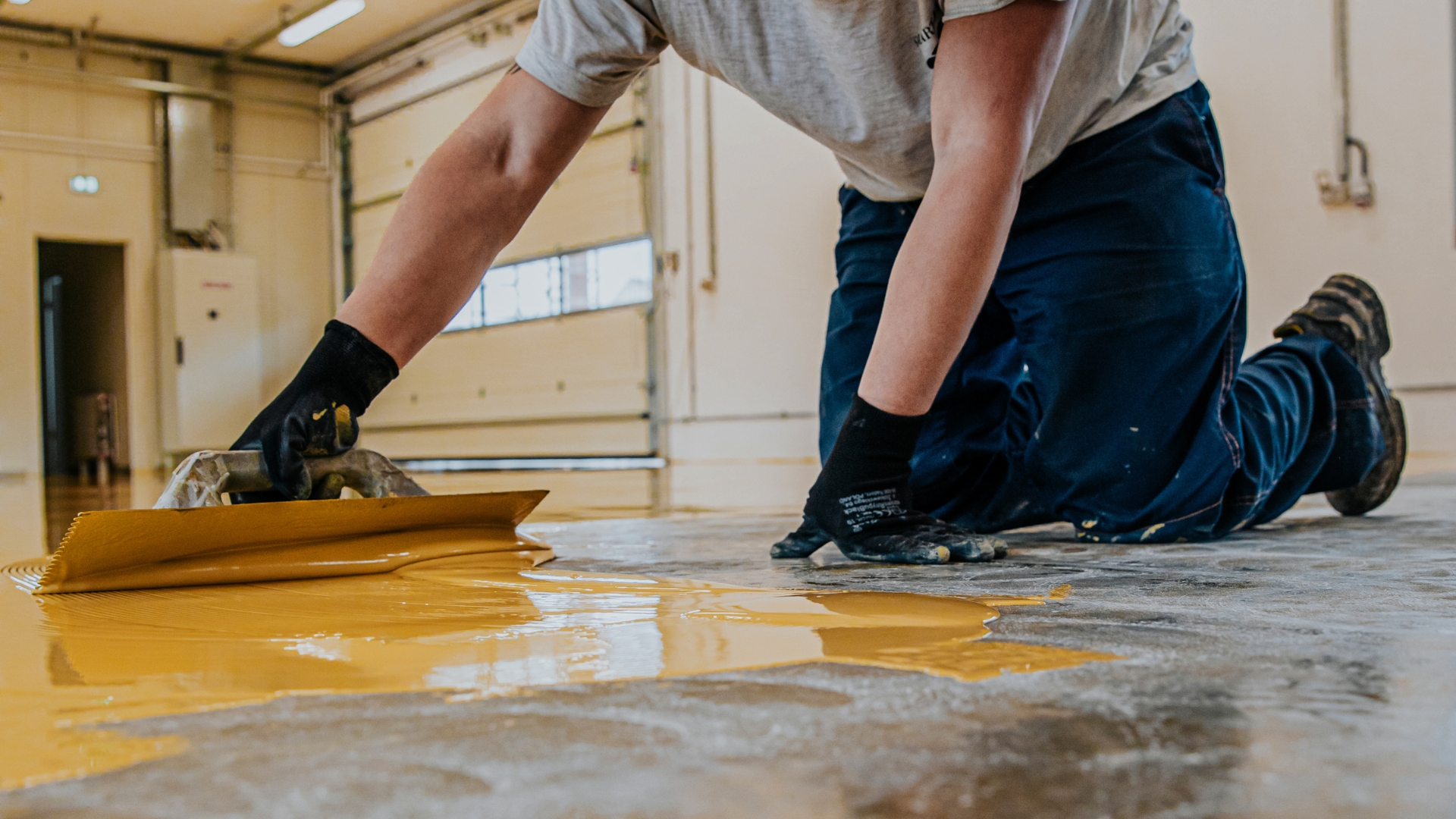
Epoxy coatings are made by combining resin and a hardener. Once mixed, the materials create a strong chemical bond that forms a durable surface over the concrete.
Epoxy is thicker and tougher than standard floor paint. It is commonly used on garage floors, commercial floors, warehouses, mechanical rooms, showrooms, and other high-traffic spaces.
A high quality epoxy system may include:
- A concrete primer
- One or more epoxy layers
- Decorative flakes or texture
- A protective top coat
- A finish coat for added shine or durability
Epoxy coatings are often available in a high gloss finish. They can also be customized with colours, patterns, or slip-resistant materials.
or slip-resistant materials.
The Main Difference Between Floor Paint and Epoxy
The main difference is how each product bonds to the concrete.
Floor paint sits mainly on top of the surface. It can improve appearance and provide basic protection, but it may chip, peel, or wear down under heavy use.
Epoxy creates a stronger bond with the concrete. When it is installed correctly, it forms a harder surface that can handle vehicles, tools, machinery, chemicals, and frequent foot traffic.
This does not mean epoxy is always the right choice. Some painting projects only need a simple, affordable update. In those cases, concrete paint may be enough.
Cost and Budget Considerations
Concrete floor painting is generally the more affordable option. It requires fewer materials and may be completed more quickly than an epoxy installation.
For homeowners painting house floor surfaces in a basement or storage room, paint can provide a clean look at a lower cost.
Epoxy coatings usually cost more because they involve specialized materials, more detailed preparation, and a longer installation process. However, epoxy may offer better value over time because it usually lasts longer and requires fewer touch-ups.
When comparing estimates from Calgary painters, ask what is included in the price. A lower quote may not include crack repairs, grinding, moisture testing, or a protective top coat.
Durability and Daily Use
Think carefully about how the floor will be used.
Floor paint may work well for:
- Laundry rooms
- Utility rooms
- Storage areas
- Low-traffic basements
- Light-use workshops
Epoxy may be better for:
- Garage floors
- Commercial painting projects
- Warehouses
- Workshops with heavy tools
- Retail spaces
- Areas exposed to oil or chemicals
If you plan to park vehicles on the floor, epoxy usually provides stronger protection. Hot tires, road salt, oil, and heavy equipment can quickly damage standard floor paint.
For residential and commercial spaces with heavy use, epoxy is often the more practical choice.
Can You Paint Wood Floors the Same Way?
Wood floors require different products and preparation methods than concrete.
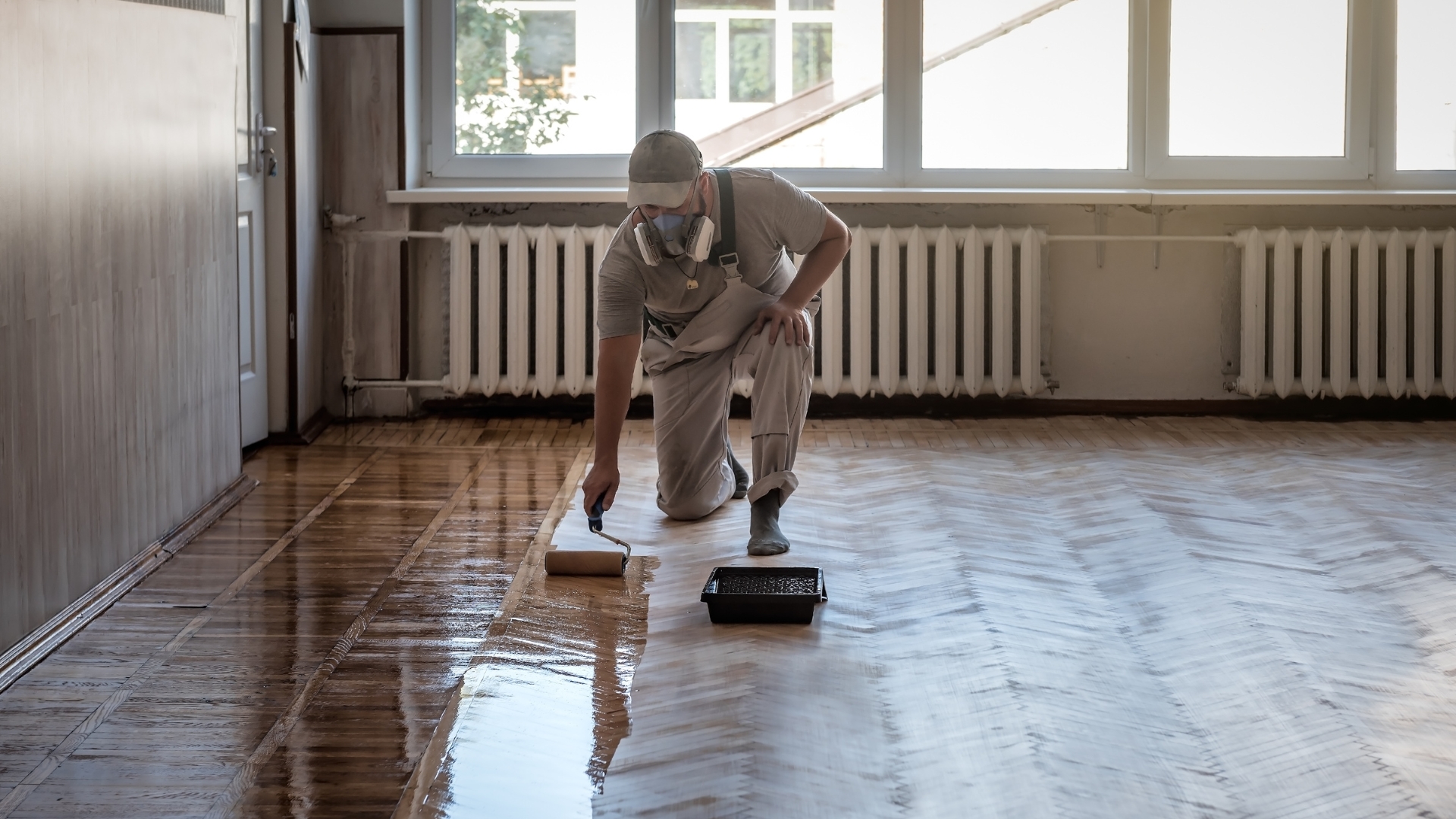
If you want to paint your floors and they are made of wood, the surface usually needs sanding, cleaning, priming, and a durable floor enamel. A protective top coat may also be added.
Concrete paint and epoxy coatings are generally not designed for moving wood surfaces. Wood expands and contracts, which can cause rigid coatings to crack.
House painters near Calgary can inspect the floor material and recommend the correct system for wood, concrete, or another surface.
Maintenance and Cleaning
Wood floors require different products and preparation methods than concrete.
If you want to paint your floors and they are made of wood, the surface usually needs sanding, cleaning, priming, and a durable floor enamel. A protective top coat may also be added.
Concrete paint and epoxy coatings are generally not designed for moving wood surfaces. Wood expands and contracts, which can cause rigid coatings to crack.
House painters near Calgary can inspect the floor material and recommend the correct system for wood, concrete, or another surface.
Maintenance and Cleaning
Painted concrete floors are easy to sweep and mop, but they may need touch-ups in high-use areas. Dragging heavy items or dropping tools can chip the surface.
Epoxy coatings are usually easier to maintain. Their smooth surface resists dust, spills, and stains. Most dirt can be removed with regular sweeping and mild cleaning products.
Avoid harsh cleaners unless they are approved for the coating. Abrasive chemicals can dull a high gloss surface or damage the top coat.
Both options will last longer when spills are cleaned quickly and sharp objects are not dragged across the floor.
Choosing the Right Floor Coating for Your Property
Concrete floor painting is a good choice when you want an affordable visual update in a low-traffic space. It offers many colour options and can provide basic protection when the floor is prepared correctly.
Epoxy coatings are better suited to garage floors, busy workshops, commercial spaces, and areas that require stronger resistance to stains, impact, and daily wear.
The best choice depends on how you use the space and how long you want the finish to last. A professional painting company can assess your floor and recommend a system that fits your needs and budget.
By using high quality products, allowing enough time to dry, and completing proper surface preparation, you can create a durable floor that improves the appearance and function of your property.